
What We’re Bringing Back from Nashville
Key Takeaways from the ULI Spring Conference
Three members of WHA’s Planning team attended the ULI Spring Meeting in Nashville, TN, where they joined industry leaders and peers to explore emerging trends shaping development, housing, and urban design. Across sessions, tours, and conversations, several consistent themes emerged from Denise Ashton, Nick Wong, and Deepali Tumbde, highlighting both the challenges and opportunities facing the industry.
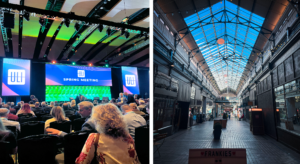
Deepali observed a real estate landscape in transition, with artificial intelligence, housing attainability, and shifting workplace patterns at the forefront. Conversations emphasized that AI’s long-term impact will come through integration into design and planning workflows, enabling teams to focus on higher-value work. There was also strong emphasis on cross-sector collaboration, with cities, developers, and nonprofits working together to deliver more attainable housing solutions.
Nick’s takeaways centered on the role of vision and stewardship in placemaking. Experiencing Nashville firsthand, he observed how long-term investment in culture, identity, and the public realm has shaped the city’s growth. His takeaway was that successful development extends beyond transactions. It takes a commitment to community, a clear narrative, and a willingness to prioritize long-term value over short-term gains.
Denise noted the continued evolution of how people live, work, and gather. Sessions pointed to hybrid work as an enduring model, along with growing demand for lifestyle-oriented communities, especially in the 55+ market. There is also increasing focus on wellness, technology, and programming within residential communities. Through her involvement with the LRDC 55+ Product Council, Denise gained a deeper insight into how the active adult sector is rapidly advancing, particularly at the intersection of wellness, research, and design. Conversations explored emerging studies on brain health including the potential for meaningful progress in addressing dementia and mild cognitive impairment within the next decade. A key theme was how physical, and spatial design can actively support cognitive function, leveraging strategies that enhance brain health and help delay decline through environment, movement, and sensory engagement.
These discussions were paired with a broader look at the continued strength and expansion of the 55+ market. As demand grows, more national homebuilders are entering the space with branded active adult communities. These trends reinforce the importance of innovation, wellness integration, and thoughtful placemaking in shaping the next generation of lifestyle communities.
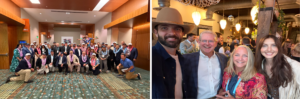
Key themes out of the Spring Meeting:
Housing & Attainability – Meeting demand will require continued innovation in policy, product types, and public-private collaboration.
Placemaking & Identity – Successful communities are grounded in a clear vision, cultural context, and meaningful connection to place.
Adaptability & Innovation – From AI to hybrid work to evolving demographics, flexibility is essential.
Wellness & Lifestyles – Health, social connection, and quality of life continue to shape residential and mixed-use design.
Nashville itself served as a compelling case study showing how planning, investment in the public realm, and a strong civic vision can guide growth while maintaining identity. These insights reinforce WHA’s commitment to creating places that are grounded in context and built to last.

Leave a Reply