
Materials That Make a Difference
Delivering a finished product whether it’s a single-family home or a master planned community requires a careful balance of time, cost, and decision making at every stage of the project. Each choice made along the way has the potential to influence not only the project’s outcome, but also its long-term performance and value. Those decisions must also be guided by a broader commitment to sustainability and responsible material use.
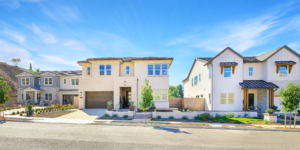
Today, designing with intention means looking beyond immediate needs and considering the lasting impact of materials, systems, and design strategies. Choosing responsibly isn’t just a goal, it’s a critical part of shaping communities that are both resilient and economically viable.
To explore how these ideas take shape in practice, we connected with Donna Aldrich, Senior Principal and Manger of the WHA Color Studio to share her perspective on sustainability in the building industry and how thoughtful choices can make a meaningful difference.
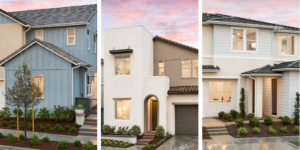
Q: Why do material choices matter beyond the cost or aesthetic?
A: Natural resources are finite and life on earth cannot thrive in a contaminated environment.
Q: What factors do you consider first when evaluation materials for a project?
A: Usage, life cycle, and transparency are my first considerations.
Q: What are some key questions to ask before selecting materials?
A: Embodied energy, extraction, processing, transport, maintenance and disposal.
Q: Are there any materials that you avoid because of environmental or ethical concerns?
A: I especially avoid materials without a closed loop at the end of its useful life.
Q: What emerging materials, technologies, or design/material elements excite you most right now?
A: Mindful, carbon reducing, low impact, transparent technology and materials that are innovative and push the boundaries of circularity and accountability excite me most.
Q: Can you share an example where material choices made a meaningful difference?
A: Cool concrete roof tiles are a preferred specification without added costs outperforming other roofing materials with superior natural components, thermal properties, durability and longevity.
Q: What do you think clients will expect more of when it comes to material responsibility?
A: Sustainable materials with the most impactful human health benefits are especially important to our clients for optimum marketability reflecting current residential buyer focus.
Q: How can the industry do better in this area?
A: There is always room for improvement and much to stay abreast of and learn a new technologies and materials become available. Through our sustainable design practices, we can enhance our projects to conserve natural resources, create healthier environments, provide longer lasting shelter, and add tangible marketability.
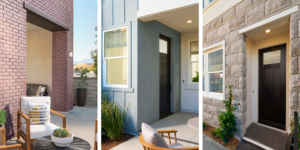
Ultimately, the choices we make today shape the communities of tomorrow. By prioritizing responsible materials and thoughtful design we can not only elevate the quality and performance of our projects but also contribute to a more sustainable future. At WHA, this commitment continues to guide our work, and we are constantly seeking new ways to design with purpose and make a lasting, positive impact.


Leave a Reply